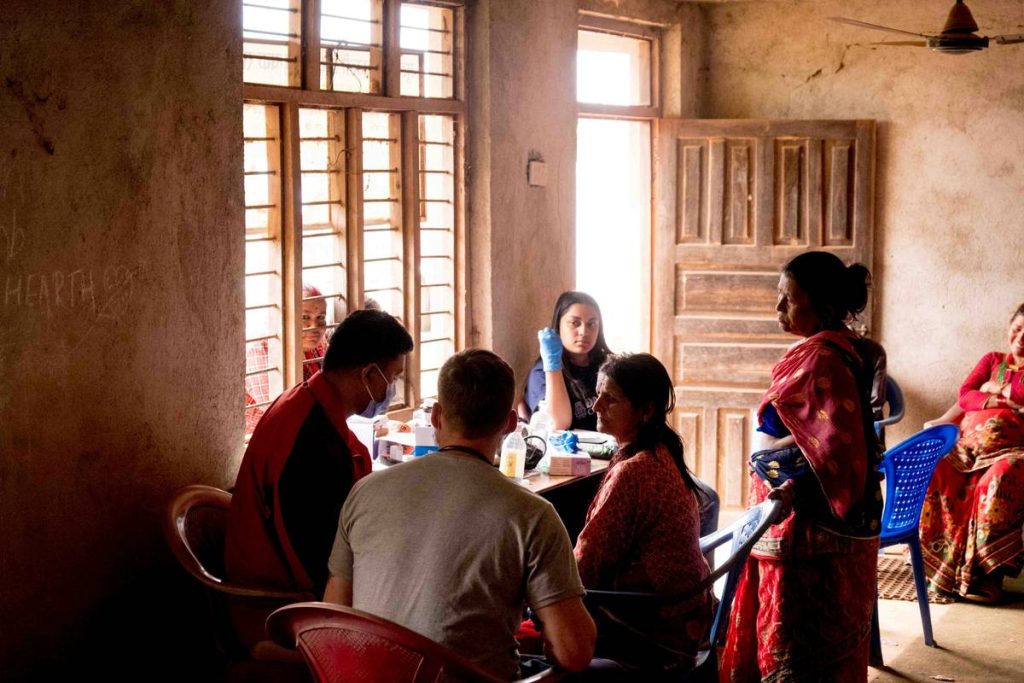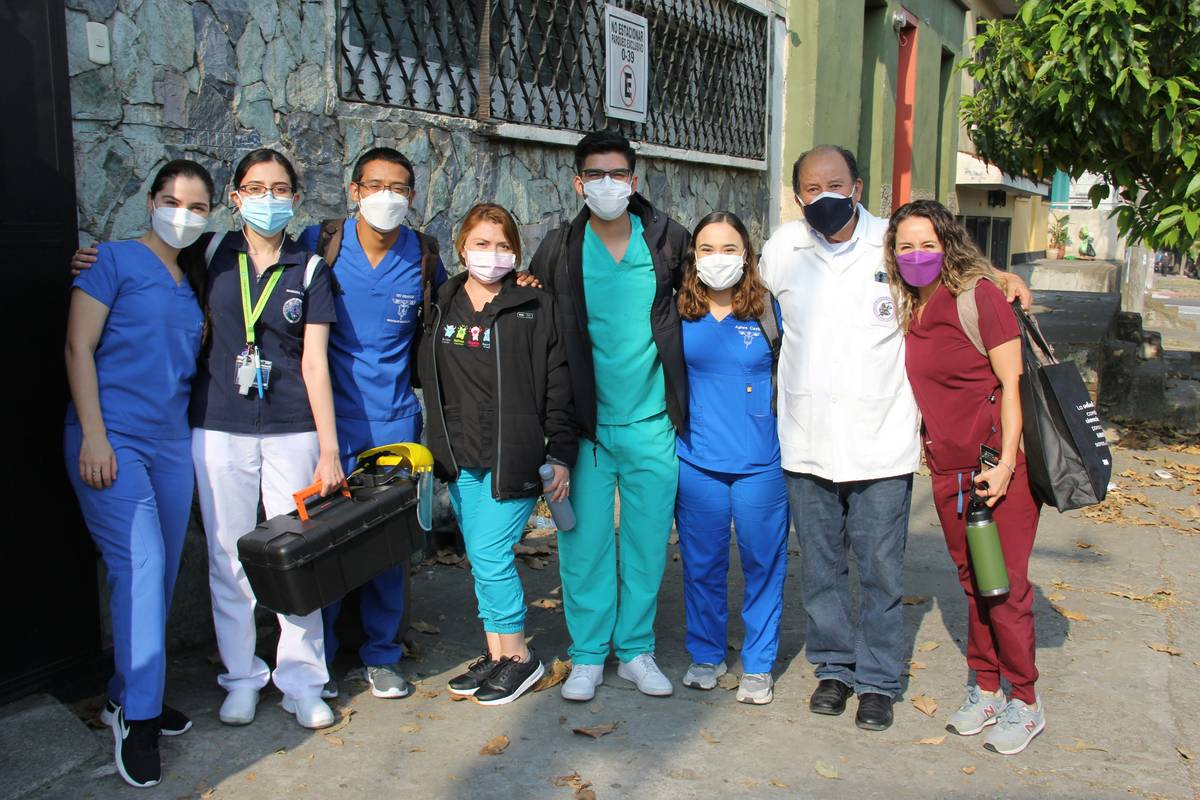
What if a single miscommunication between a nurse and a patient led to a medication error, delayed care—or worse? In today’s globalized healthcare landscape, cultural misunderstandings aren’t just awkward; they’re dangerous. As someone who once misinterpreted a Hmong family’s silence during a pediatric consultation as disengagement—only to later learn it was a sign of deep respect—I’ve seen how quickly well-intentioned professionals can stumble without intercultural competence. That mistake still haunts me. This post breaks down the real, measurable cultural competence benefits in healthcare, especially for clinicians and educators in online professional development programs. You’ll walk away with actionable strategies, evidence-backed insights, and a clear path to safer, more effective care.
Table of Contents
- Why Cultural Competence Matters in Modern Healthcare
- How to Build Cultural Competence: Step-by-Step
- Best Practices for Sustainable Impact
- Real-World Results from Culturally Competent Care
- Frequently Asked Questions
Key Takeaways
- Strong cultural competence reduces medical errors and improves patient adherence.
- Online professional development courses can effectively build intercultural skills when designed with experiential learning.
- Providers who practice cultural humility see higher patient satisfaction and better outcomes.
- Ignoring cultural context costs time, trust, and sometimes lives—making training non-negotiable.
Why Cultural Competence Matters in Modern Healthcare
In 2023, over 40% of Americans identified as racial or ethnic minorities (U.S. Health Resources & Services Administration). Yet many healthcare institutions still treat cultural sensitivity as optional “soft skill” training—usually a one-hour webinar buried in onboarding. That’s a critical oversight. Misreading nonverbal cues, assuming dietary preferences, or dismissing spiritual beliefs can fracture the patient-provider relationship before it even begins.

I learned this the hard way during a telehealth rotation. A Nigerian elder refused insulin because he believed it conflicted with his herbal regimen. Instead of listening, I cited guidelines and insisted on compliance. He disengaged entirely. Only later did I realize I’d prioritized protocol over partnership. Had I understood his worldview, we could’ve co-created a safe integration plan. The stakes are high: according to the National Institutes of Health, culturally competent care correlates with improved chronic disease management and lower readmission rates.
How to Build Cultural Competence: Step-by-Step
1. Start with Self-Awareness
Before studying others, examine your own biases. Use tools like Harvard’s Implicit Association Test (freely available) to uncover unconscious assumptions about race, language, or disability.
2. Learn Through Immersion, Not Just Modules
Passive video lectures won’t cut it. Seek online programs that include role-playing with standardized patients from diverse backgrounds—like those offered by the National Center for Cultural Competence.
3. Practice “Cultural Humility” Daily
This isn’t about mastering every culture—it’s about staying curious. Ask open-ended questions: “Help me understand how your background shapes your view of this treatment.”
Best Practices for Sustainable Impact
- Avoid the “Checklist Trap”: Don’t treat cultural competence as a box-ticking exercise. Real growth happens through reflection, not completion certificates.
- Integrate Feedback Loops: After patient encounters, journal what you assumed vs. what you learned. Revisit quarterly.
- Prioritize Language Access: Use professional interpreters—not family members—for clinical decisions. It’s legally required under Title VI and ethically non-negotiable.
- Terrific Tip? Nope—Terrible One: Never say, “I don’t see color.” That erases identity. Instead, acknowledge differences respectfully: “Your perspective helps me provide better care.”
Real-World Results from Culturally Competent Care
A Kaiser Permanente initiative trained staff in cultural humility across 21 clinics. Within 18 months, patient satisfaction scores among Latino populations rose by 22%, and diabetes control metrics improved significantly. Similarly, a Johns Hopkins study found that nurses who completed intercultural simulations reduced communication-related adverse events by 31%. These aren’t flukes—they’re proof that cultural competence benefits in healthcare translate to tangible outcomes. When providers honor cultural context, patients trust more, comply more, and heal better. And for those developing online curricula in professional development, embedding these principles isn’t just ethical—it’s evidence-based pedagogy.
Frequently Asked Questions
How do cultural competence benefits in healthcare improve patient safety?
Miscommunication is a leading cause of medical errors. Culturally competent providers reduce ambiguity by clarifying beliefs, preferences, and health literacy levels—directly preventing mistakes.
Can online courses really teach intercultural competence?
Yes—if they’re interactive. Look for programs using case studies, peer discussions, and simulated cross-cultural scenarios, not just PDFs.
Is cultural competence the same as diversity training?
No. Diversity training focuses on workplace inclusion; cultural competence centers on patient-centered care and clinical decision-making.
Where can I learn more about ethical standards?
Review the Office of Minority Health’s National CLAS Standards. For our approach, see our About Us page.
Do I need to speak multiple languages?
Not necessarily—but you must ensure accurate interpretation. Never rely on children or untrained staff. We uphold strict confidentiality, as detailed in our Privacy Policy.
The bottom line? Cultural competence benefits in healthcare aren’t abstract ideals—they’re lifelines. From my early blunders to today’s more mindful practice, I’ve seen how this skill transforms both outcomes and relationships. If you’re designing or taking an online course in professional development, demand depth over checkboxes. Ready to close gaps in your own practice? Contact us—we’ll help you build programs that heal across cultures.
Silence speaks. So does empathy. Choose wisely.