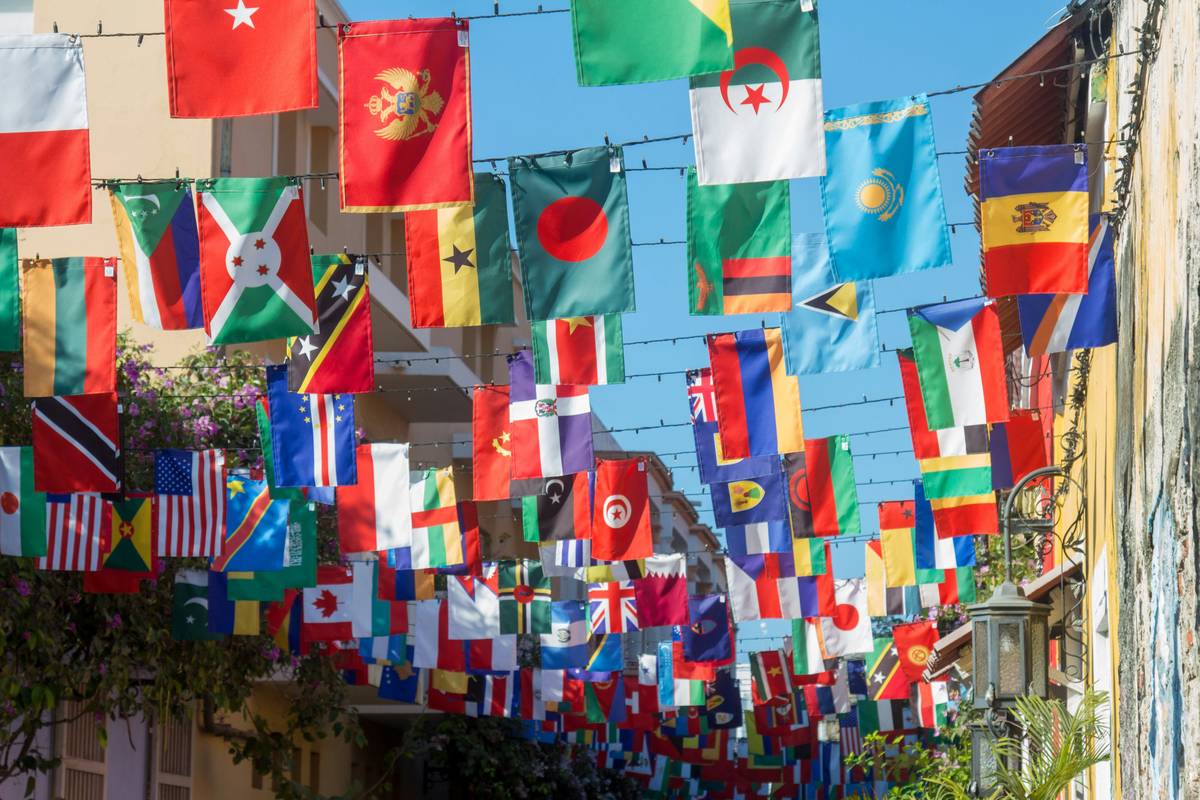
Most professionals think they’re “culturally aware” because they’ve traveled or worked with offshore teams. But when real cross-border negotiations stall—or worse, offend—they realize their understanding is skin-deep. Global awareness intercultural competence international relation isn’t about checking boxes. It’s about navigating human complexity without burning bridges.
Why Traditional Training Fails in Building True Cross-Cultural Fluency
Corporate DEI modules and one-off webinars treat culture like a PowerPoint slide—static, sanitized, and utterly disconnected from real-world friction. You learn that “Germans value punctuality” but not how to respond when your Berlin-based partner abruptly cancels a call due to a family emergency yet expects you to reschedule within the hour without apology. Context collapses into caricature.
And that’s the trap. Intercultural competence isn’t memorizing dos and don’ts. It’s developing cognitive flexibility—the ability to interpret behavior through multiple cultural lenses simultaneously. Standard training ignores this entirely. It feeds facts, not frameworks.
The Practitioner’s Framework for Real-World Intercultural Agility
Map Cultural Dimensions Beyond Hofstede
Hofstede’s model? Helpful—but outdated. Today’s global professionals layer it with Erin Meyer’s “Culture Map” and Trompenaars’ paradox navigation. Example: In high-context cultures (Japan, Saudi Arabia), silence conveys agreement; in low-context ones (USA, Netherlands), it signals disengagement. Misread that, and your proposal sinks before Q&A.
Simulate High-Stakes Scenarios—Not Role Plays
Forget polite coffee chats with actors. Real learning happens in pressure-cooker simulations: mediating a supply-chain dispute between Brazilian and South Korean execs, or decoding why your Nigerian counterpart keeps postponing contract signing (hint: it’s rarely about money). Build muscle through discomfort.
Track Your “Cultural ROI”
Measure what matters. Not course completion rates—but deal velocity, retention of global talent, reduction in miscommunication escalations. If your intercultural efforts aren’t moving these needles, you’re just decorating.
| Approach | Time to Impact | Cost Range | Real-World Applicability |
|---|---|---|---|
| Generic Online Course (e.g., LinkedIn Learning) | 3–6 months | $20–$50/month | Low—abstract examples, no feedback loop |
| University Certificate Program | 6–12 months | $1,500–$5,000 | Moderate—theory-heavy, light on practice |
| Custom Immersion Lab (with live negotiation sims) | 4–8 weeks | $800–$2,500 | High—immediate behavioral adaptation |

The Industry Secret: Competence Starts With Discomfort Tolerance
Here’s what no training brochure admits: intercultural competence isn’t built through knowledge—it’s forged in ambiguity. The top 10% of globally effective leaders share one trait: they lean into confusion instead of fleeing it. They sit with unanswered questions during a Tokyo call. They let a Cairo email thread hang ambiguous for 48 hours without demanding clarity.
And that’s the pivot. Stop seeking “right answers.” Start building tolerance for productive uncertainty. That’s where true global awareness intercultural competence international relation lives—not in textbooks, but in the pause between stimulus and response.

Frequently Asked Questions
What’s the difference between cultural awareness and intercultural competence?
Awareness is knowing differences exist. Competence is adapting your behavior effectively in real-time interactions across cultures.
Can intercultural skills be measured objectively?
Yes—through behavioral assessments like the IDI (Intercultural Development Inventory) and performance metrics like cross-border team retention or joint venture success rates.
How often should professionals refresh these skills?
Annually minimum. Cultures evolve—so must your approach. One-time training decays faster than you think.