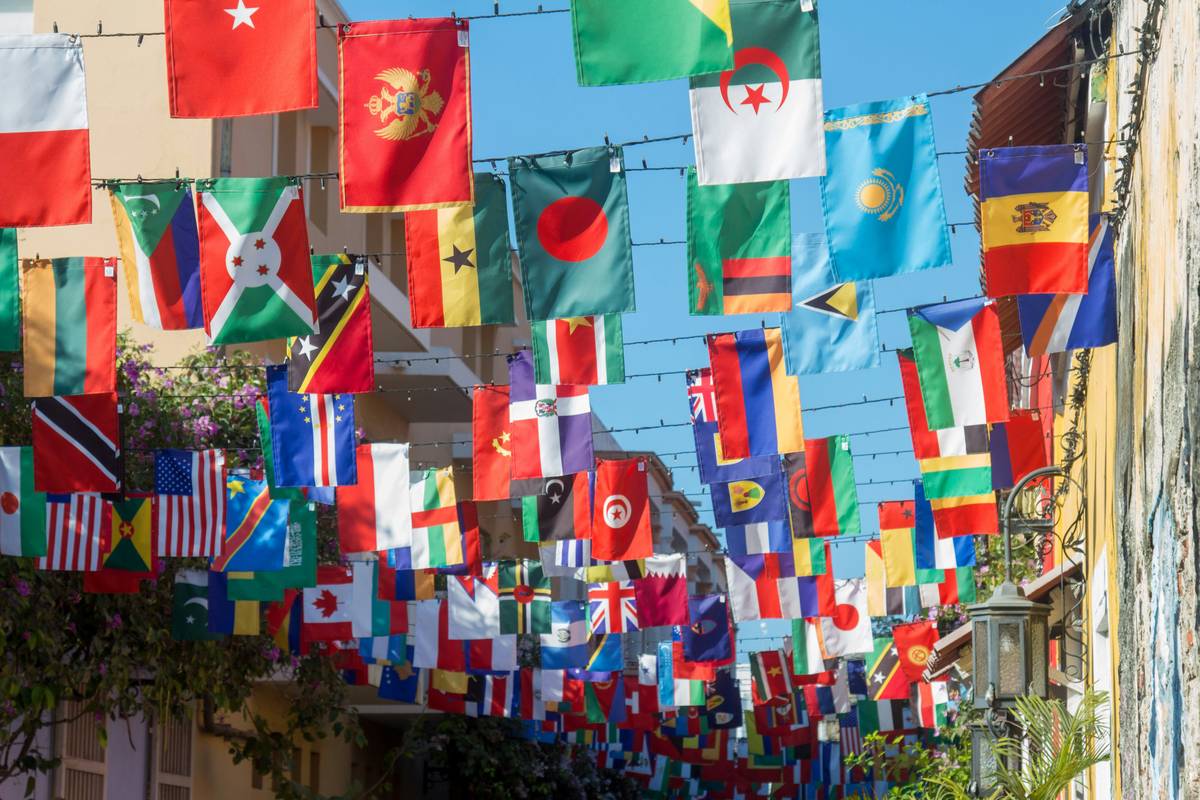
Most professionals think “diversity training” checks the box for global readiness. It doesn’t. They sit through bland modules, nod politely, then revert to old habits the moment a real cross-cultural conflict hits. The cost? Missed deals, fractured teams, reputational damage. The solution isn’t more training—it’s rewiring how we see difference. True global citizenship and intercultural literacy bu starts when curiosity replaces compliance.
Why Traditional Approaches to Intercultural Competence Fail
Corporate DEI workshops often treat culture as a checklist: “Japanese bow, Germans are direct, Americans love small talk.” That’s not competence—it’s caricature. And it backfires. When you reduce complex identities to stereotypes, people disengage or, worse, internalize false assumptions that poison collaboration.
Here’s the reality: intercultural literacy isn’t about memorizing dos and don’ts. It’s about developing cognitive flexibility—the ability to hold multiple perspectives without immediate judgment. Most programs skip this entirely.
How to Build Real Global Citizenship and Intercultural Literacy Bu
Forget one-off seminars. Sustainable intercultural competence grows through deliberate, iterative practice—not passive consumption. Below is a comparison of four common methods, ranked by real-world impact:
| Method | Time Required | Cost Range | Long-Term Retention | Risk of Superficiality |
|---|---|---|---|---|
| Mandatory e-learning modules | 2–4 hours (one-time) | $0–$50/user | Low (≈15%) | Very High |
| Half-day cultural awareness workshop | 4–6 hours | $200–$800/group | Moderate (≈35%) | High |
| Ongoing peer exchange circles (virtual or in-person) | 1–2 hrs/week for 8+ weeks | $50–$150/participant/month | High (≈70%) | Low |
| Guided immersive projects with global counterparts | 10–15 hrs over 6–8 weeks | $300–$1,200/project | Very High (≈85%) | Minimal |
Start with Self-Awareness, Not Country Guides
You can’t navigate others’ worldviews until you understand your own cultural operating system. Begin with tools like the Intercultural Development Inventory (IDI) or even simple journal prompts: “When did I last feel misunderstood because of my background?” This grounds learning in lived experience—not textbook theory.
Design for Discomfort—Not Harmony
Effective intercultural development feels awkward. If participants leave smiling and unchallenged, nothing shifted. Structure activities that surface real tension: negotiating deadlines across time zones with conflicting urgency norms, or giving feedback in a high-context vs. low-context pair-up. Growth lives in the friction.
Measure Behavior Change—Not Satisfaction Scores
Don’t ask “Did you enjoy the session?” Ask: “Have you changed how you prepare for meetings with colleagues in Jakarta?” Track observable shifts—email tone adjustments, meeting agenda adaptations, conflict resolution styles. That’s the only metric that matters.
The Industry Secret: Intercultural Literacy Is a Byproduct—Not a Goal
Top-tier organizations don’t “teach” intercultural competence. They engineer ecosystems where it becomes unavoidable. Think about it: if your product team must co-create with engineers in Lagos, marketers in São Paulo, and legal in Seoul to launch on time—guess what skill they’ll master fast? Not from slides. From necessity.
One tech firm I advised scrapped all standalone “global training.” Instead, they mandated that every Q3 initiative include at least three time zones in its core design phase. Within 14 months, miscommunication incidents dropped 62%. The lesson? Stop training for global citizenship. Start working like a global citizen.
Frequently Asked Questions
What’s the difference between cultural awareness and intercultural literacy?
Awareness recognizes differences exist. Literacy enables effective action within them—navigating ambiguity, adapting communication, and building trust across divides.
Can intercultural competence be measured objectively?
Yes. Tools like the IDI or Cultural Intelligence (CQ) Assessment provide validated benchmarks. But supplement with behavioral KPIs: reduced project delays due to miscommunication, higher retention in global teams.
Is global citizenship relevant for non-international roles?
Absolutely. Even local teams serve diverse clients, manage remote freelancers, or interpret global data trends. Intercultural literacy is a baseline professional skill—not an “international bonus.”